
Why Aseptic Packaging Is Driving Growth in Plant-Based Beverages
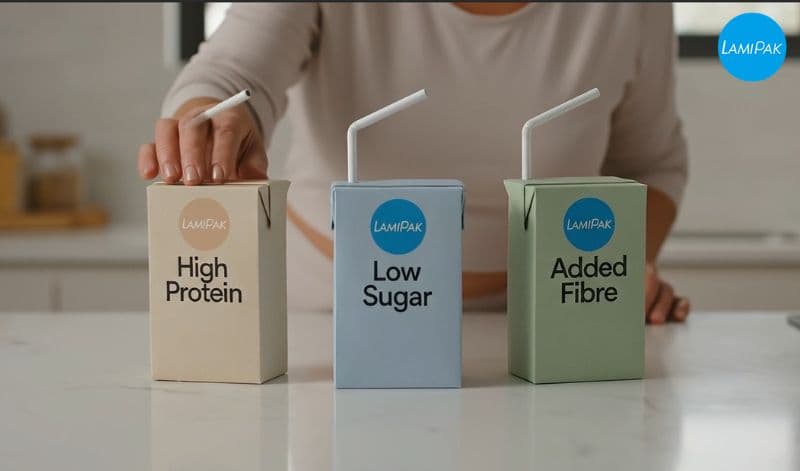
The global market for plant-based beverages has grown rapidly over the past decade. Consumers are increasingly exploring alternatives to traditional dairy products for reasons related to health, sustainability, and dietary preferences.
The global market for plant-based beverages has grown rapidly over the past decade. Consumers are increasingly exploring alternatives to traditional dairy products for reasons related to health, sustainability, and dietary preferences.
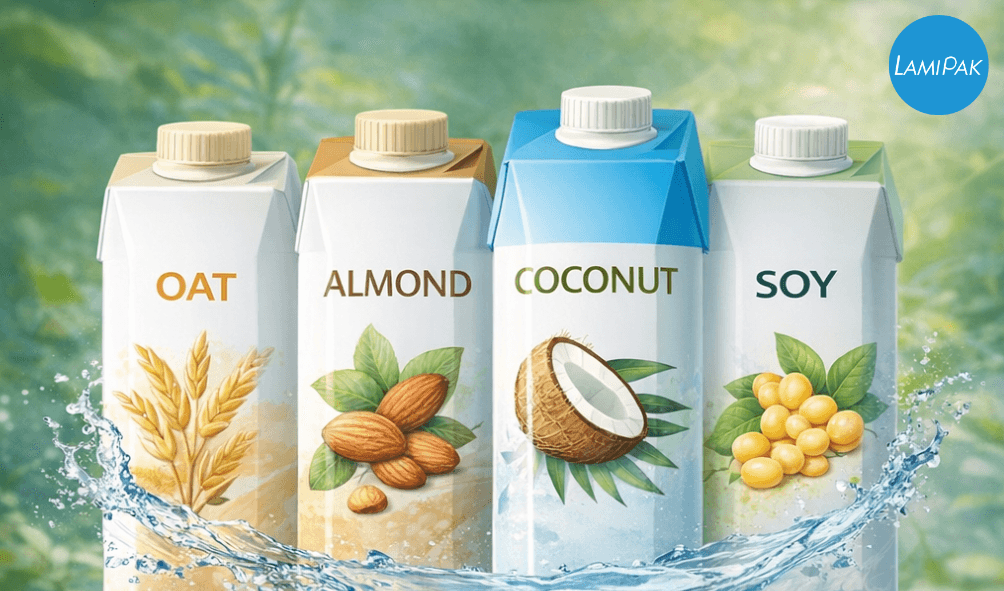
Oat, almond, soy, coconut, and other plant-based beverages have moved from niche products to mainstream offerings in many markets. As demand grows, manufacturers are looking for packaging solutions that can support product quality, scalability, and distribution efficiency.
This is where aseptic packaging plays a crucial role.
Preserving Product Quality
Plant-based beverages are often sensitive to oxidation and microbial contamination. Maintaining product stability without compromising taste or nutritional value is essential.
Aseptic packaging allows beverages to be sterilized and filled into cartons in a sterile environment. This process eliminates harmful microorganisms while preserving product integrity.
The result is a shelf-stable beverage that retains its flavor, texture, and nutritional value without requiring refrigeration.
Enabling Global Distribution
Many plant-based beverage brands are expanding internationally.
However, shipping refrigerated beverages across long distances can significantly increase costs and logistical complexity. Shelf-stable aseptic packaging eliminates this challenge by allowing products to be transported and stored at ambient temperatures.
This advantage enables manufacturers to enter new markets more efficiently and scale their distribution networks.
Supporting Sustainable Packaging Goals
Sustainability is a key factor driving the growth of plant-based beverages. Consumers who choose these products often care deeply about environmental impact.
Packaging therefore plays a critical role in supporting brand sustainability narratives. Carton-based packaging solutions offer a lower carbon footprint compared to many traditional packaging formats and can incorporate responsibly sourced materials.
By adopting sustainable packaging solutions, plant-based beverage brands can reinforce their environmental commitments while maintaining product safety.
Flexible Packaging for Diverse Products
Plant-based beverages are highly diverse in formulation. Some products contain proteins, oils, or fiber components that require specialized packaging barriers to maintain stability.
Packaging providers with deep expertise in liquid food packaging can help manufacturers select the right structures and formats for different product types.
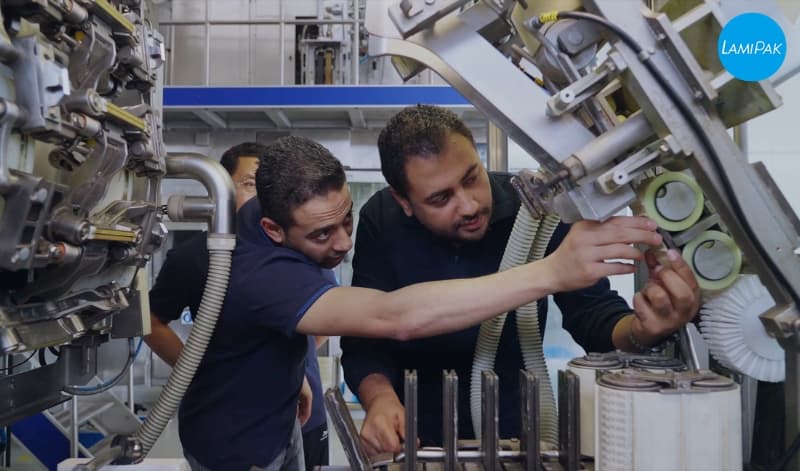
Lamipak works with beverage manufacturers to develop packaging solutions that support product performance while ensuring efficient filling and distribution.
The Future of Plant-Based Beverage Packaging
As consumer demand continues to rise, plant-based beverage manufacturers will need packaging solutions that enable innovation, scalability, and sustainability.
Aseptic packaging provides the flexibility and reliability needed to support this fast-growing category.
With the right packaging partner, manufacturers can bring new plant-based beverages to market faster while maintaining the quality and environmental standards that modern consumers expect.