Senior Nutrition: An Emerging Growth Opportunity in Dairy & Beverages
The world is shifting demographically, with the 55+ population reaching 1.7 billion in 2024. This diverse group, ranging from active workers to health-conscious retirees, has become a major global consumer force. This growth presents a significant structural opportunity for the dairy and beverage sectors, particularly in senior nutrition, as companies adapt to the needs of this influential and expanding demographic
The global population is undergoing a profound demographic shift. As longevity increases and birth rates decline, adults aged 55 and above are becoming one of the most influential consumer cohorts in the world. In 2024, there are an estimated 1.7 billion people aged 55+, accounting for a significant share of total adult populations across North America, Europe, East Asia, and parts of Asia-Pacific. Far from being a homogenous group, this cohort spans individuals who are still working and highly engaged with contemporary trends, alongside retirees who are increasingly health-conscious and value-driven. Together, they represent a sizeable and structurally growing opportunity for the dairy and beverages sector, particularly within senior nutrition.
Older consumers’ relationship with food and drink is shaped by a unique mix of lived experience, financial realities, and changing physiological needs. For many over-55s, attitudes towards spending are deeply rooted in upbringing and historical context.
Across both emerging and developed markets, mature consumers consistently scrutinise products more carefully than younger cohorts. Shopping is often planned in advance, lists are common, and impulse purchasing is less prevalent. Within this mindset, nutrition carries increasing weight. As people age, maintaining muscle mass, bone strength, and digestive health becomes increasingly important, thereby elevating the perceived value of products that deliver tangible nutritional benefits. Dairy and beverage formats are particularly well-positioned in this context, given their association with protein, calcium, probiotics, and hydration, which align naturally with age-related health priorities.
#1 Weight management plays a key role in healthy aging
Weight management has emerged as the top physical health concern globally, making it central to healthy aging strategies. Nearly 1 in 3 consumers say weight management is an important step they are taking to age healthily. Reflecting this demand, new food, beverage, and supplement launches carrying a weight management claim have grown by 16% year over year.
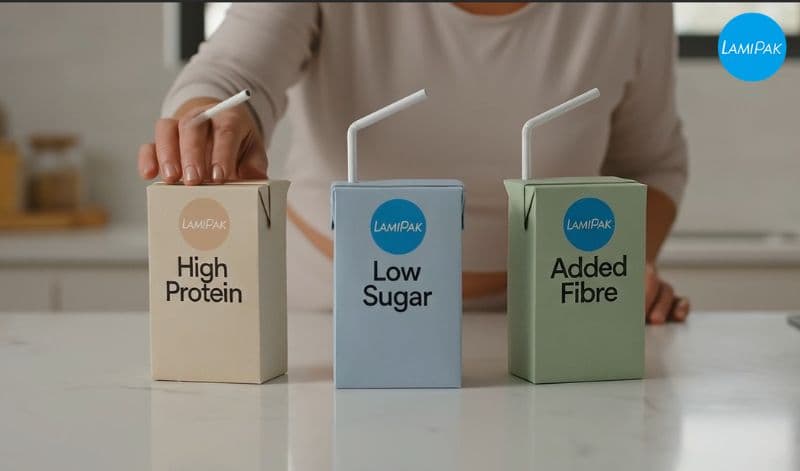
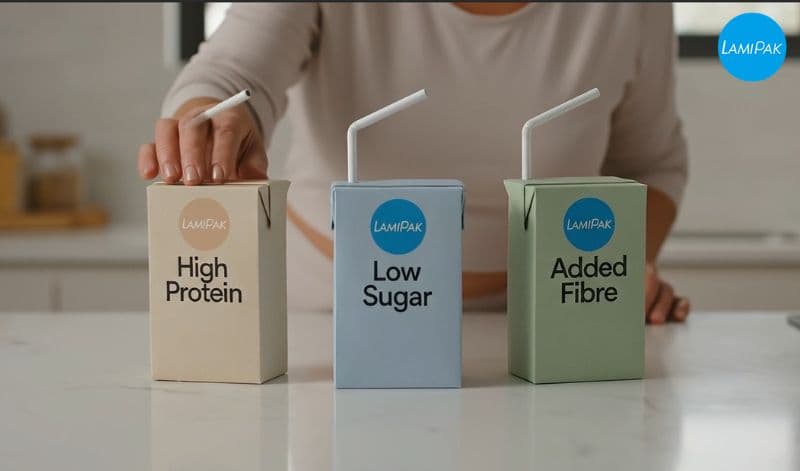
For seniors, maintaining a healthy weight is closely linked to mobility, metabolic health, and reduced risk of chronic conditions. Dairy and beverage brands are responding through high-protein, portion-controlled, low-sugar, and functional formulations that support satiety while preserving muscle mass—an increasingly important consideration in older age groups.
Immunity and Energy: Supporting Daily Vitality
Beyond weight management, immunity and energy are leading health priorities within healthy aging innovations. Globally, immune support and energy/alertness are the top health claims associated with new food and beverage launches carrying a healthy aging positioning.
This reflects seniors’ desire to maintain independence, resilience, and day-to-day vitality. In dairy and beverages, this has translated into fortification with vitamins (such as D and B-complex), minerals, probiotics, and functional ingredients that help support immune defences and sustained energy without reliance on stimulants.


Healthy Gut: Flourishing from Within
Gut health is increasingly recognised as foundational to healthy ageing, influencing digestion, immunity, and overall wellbeing. Innovation in this area is accelerating, with a 26% year-over-year increase in new food and beverage launches carrying digestive or gut health claims (Global, 2023–2024).
Consumer behaviour mirrors this momentum: 28% of consumers globally report purchasing food and beverages specifically to improve their gut or digestive health. For senior nutrition, dairy-based formats such as probiotic yogurts, fermented drinks, and gut-friendly milks are well positioned, offering both familiarity and scientifically supported benefits.

Targeted Nutrition: Age-Specific Solutions Gain Traction
As consumers become more health-literate, demand is shifting from generic wellness products to targeted, age-specific nutrition. Nearly 1 in 4 consumers has purchased age-specific nutrition products, highlighting growing acceptance of tailored solutions.
For seniors, targeted nutrition focuses on bone health, muscle maintenance, digestive comfort, and cognitive support. Dairy and beverage brands can leverage this trend through clear life-stage positioning, functional fortification, and easy-to-consume formats, making nutrition both accessible and relevant to older consumers.
Conclusion
The rise of the 55+ population is not just a demographic shift but it’s a call for more thoughtful, targeted innovation in dairy and beverages. Today’s seniors are informed, intentional, and increasingly proactive about their health, seeking products that support longevity without compromising on taste or convenience. From weight management and immunity to gut health and age-specific nutrition, their needs are clear and evolving. For brands, this presents a meaningful opportunity to move beyond one-size-fits-all solutions and create offerings that genuinely enhance quality of life by combining science-backed benefits with familiarity, trust, and everyday enjoyment. Senior nutrition therefore sits at the intersection of value, trust, practicality, and positive emotional reward. As global societies continue to age, the relevance of this intersection will only grow. Dairy and beverage categories, long embedded in daily consumption habits, are uniquely positioned to reflect how older consumers think about food: not as a symbol of identity or experimentation, but as a dependable source of nourishment, enjoyment, and quality of life.