
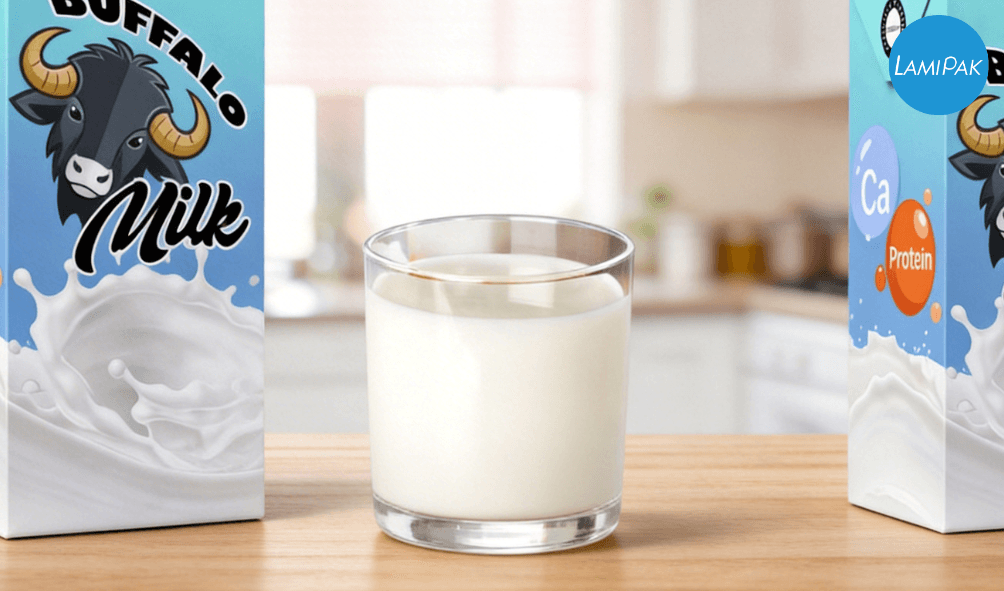
Buffalo Milk Products: An exotic niche product or a premium mainstay in the making?
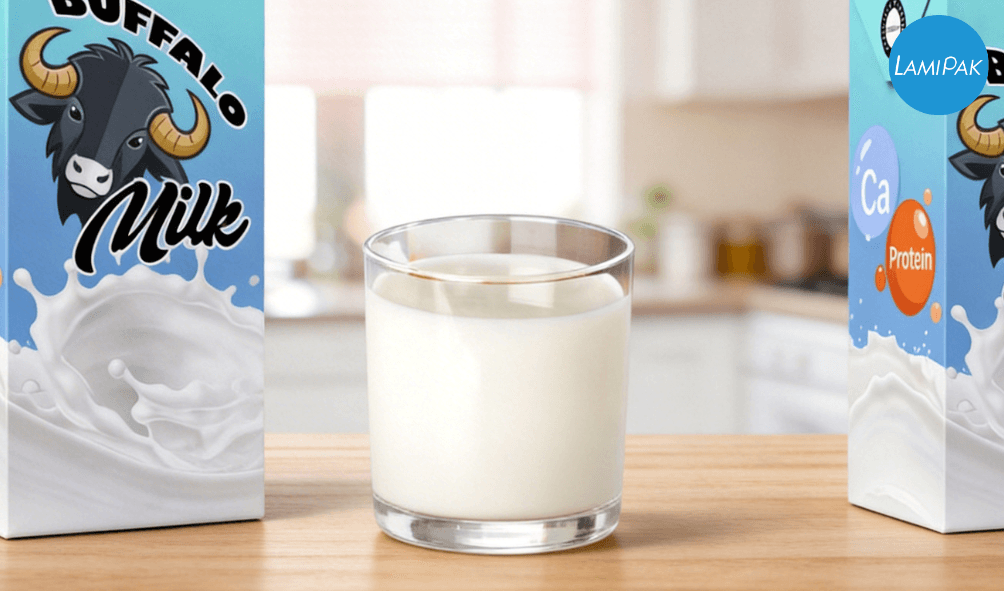
Buffalo milk is the second most consumed type of milk globally after cow’s milk. In 2023, approximately 150 million liters of buffalo milk were produced, according to FAO STAT. That same year, Verified Market Research estimated the global buffalo milk market to be valued at USD 87.12 billion. The research firm projects the market to reach USD 102.42 billion by 2031, growing at a CAGR of 8.7% during the forecast period (2024–2031).
Buffalo milk is the second most consumed type of milk globally after cow’s milk. In 2023, approximately 150 million liters of buffalo milk were produced, according to FAO STAT. That same year, Verified Market Research estimated the global buffalo milk market to be valued at USD 87.12 billion. The research firm projects the market to reach USD 102.42 billion by 2031, growing at a CAGR of 8.7% during the forecast period (2024–2031).
Is this a sign that buffalo milk finally transitioning from a niche product to a premium mainstay?
Buffalo Milk Market Overview
While there are many varieties of buffaloes, the water buffalo contributes the most to the world’s milk production. India and Pakistan dominate the market, producing about 90% of all buffalo milk worldwide, followed by China, Egypt, and Nepal. There is also a significant dairy buffalo herd in the Mediterranean, particularly in Italy, where buffalo milk is primarily used for cheese production.
Production figures from FAO Stat indicate a vibrant and growing market. Buffalo milk production increased from 132.5 million liters in 2018 to 150.3 million liters in 2023, reflecting a 13% growth. India, the world’s largest producer, accounted for 70% of this volumeincrease during the period.
Health as the Key Driver of Consumption
Health and wellness trends play a crucial role in driving milk consumption. In India, where the majority of buffalo milk is consumed, 62% of consumers cite health benefits as the primary reason for their milk consumption.
Both buffalo and cow’s milk are highly nutritious, providing essential vitamins and minerals. However, buffalo milk contains more nutrients and calories per serving, making it an attractive option for health-conscious consumers.
Below is a nutritional comparison of 1 cup (244 ml) of buffalo milk versus whole cow’s milk:

Product Innovation Driving Growth Beyond Asia
While buffalo milk products have been widely consumed in South Asia and the Mediterranean for years, their presence in other global markets has been limited. A lack of consumer exposure to buffalo-based dairy products has hindered expansion. However, this is changing as more buffalo milk products are being introduced worldwide.
According to Innova Market Insights, new product launches featuring buffalo milk as an ingredient were recorded in 46 countries in 2023—a 21% increase from 2020. Growth was observed across all regions, with Australia (+63%), Africa (+34%), and North America (+26%) experiencing the fastest increases in new product launches.
Buffalo milk’s versatility is also a key factor in its expansion, enabling producers to experiment with a wide range of products, from artisanal cheeses to indulgent yogurts and desserts. Data from Innova Market Insights shows that the number of subcategories where buffalo milk was used in new product launches increased by 56% between 2020 and 2024, showcasing its growing appeal in food formulation.
Cheese: A Leading Category for Buffalo Milk Use
Due to its composition, buffalo milk is particularly well-suited for cheese production. A 2022 study found that buffalo milk yielded more fresh cheese than cow’s milk (22.5% vs. 15.4%) due to its higher fat content. The study also noted that buffalo milk curdled more efficiently, making cheese production more cost-effective and yielding a firmer texture compared to cow’s milk. It is, therefore, not surprising that cheese is the leading subcategory within the dairy sector, where buffalo milk usage has grown at a CAGR of 13% (2020-2024). Other popular categories include unflavored milk, butter, spoonable yoghurt, and drinking yoghurt.
Growing Global Acceptance of Buffalo Milk
Despite consumers outside traditional buffalo milk regions not being widely exposed to the milk, their acceptance of buffalo milk products is growing. Speaking to Dairy Reporter, Paolo Campigli, commercial director at Quattro Portoni, an Italian cheese producer exporting to new markets, highlighted that the growing acceptance of buffalo milk products is largely due to buffalo milk’s mild-to-sweet flavor profile.
Conclusion
Buffalo milk is steadily transitioning from a niche product to a premium staple in the dairy industry. While its consumption remains largely centered in South Asia and the Mediterranean, increasing global product innovation and consumer interest in high-nutrient dairy options are driving its expansion. Furthermore, its mild-to-sweet flavor is contributing to growing consumer acceptance in non-traditional markets. Whether buffalo milk transitions from exotic niche products to premium mainstays will however depend on how successfully producers and brands introduce buffalo milk-based products to new regions.
Sources:
1. Innova Market Insights
2. FAO STAT
3. Healthline, Feb 2020
4. DairyReporter, Oct 2024
5. Verified Market Research