
The Future of Dairy in Southeast Asia: Embracing Plant-Based Milk
As Southeast Asia's food landscape evolves, plant-based milk is rapidly emerging as a preferred alternative to traditional dairy products. This trend is not merely a fleeting consumer fad; it reflects a profound shift in societal values and lifestyle choices driven by health, ethical, and environmental considerations. At Lamipak, we understand these regional trends and offer strategic guidance to help brands navigate and capitalize on this dynamic market.
As Southeast Asia's food landscape evolves, plant-based milk is rapidly emerging as a preferred alternative to traditional dairy products. This trend is not merely a fleeting consumer fad; it reflects a profound shift in societal values and lifestyle choices driven by health, ethical, and environmental considerations. At Lamipak, we understand these regional trends and offer strategic guidance to help brands navigate and capitalize on this dynamic market.
Health & Nutrition: Elevating Local Consumer Wellness
In today’s health-conscious SEA markets, consumers are increasingly vigilant about the nutritional content of their food. Traditional dairy is facing scrutiny due to its lactose content, high levels of saturated fats, and cholesterol—all factors that contribute to digestive and cardiovascular concerns prevalent in our region. Plant-based milk offers a compelling alternative:
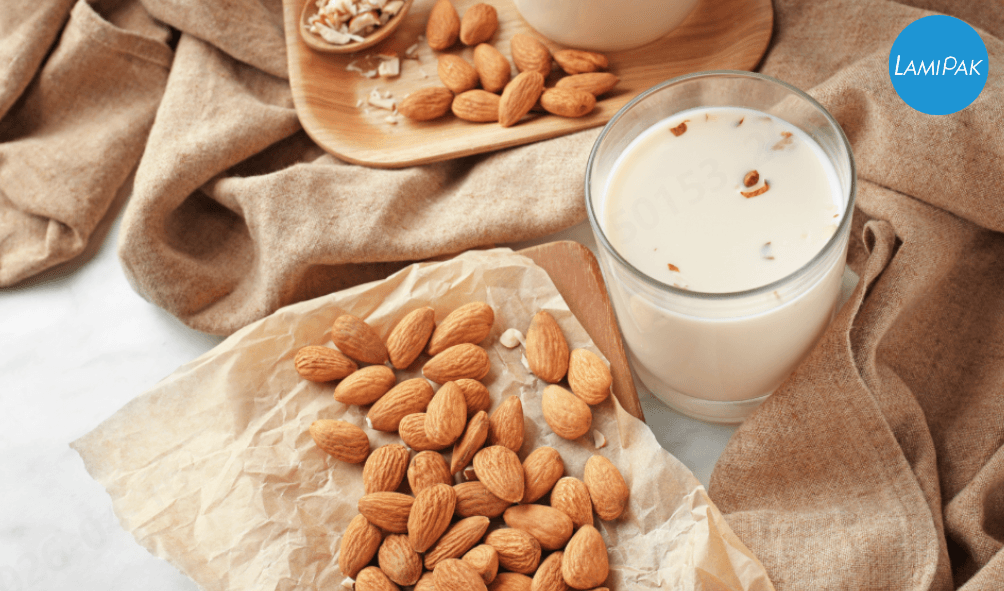
- Low in Lactose & Fat: Naturally, plant-based alternatives such as almond, oat, and soy milk contain little to no lactose, making them ideal for the significant number of consumers with lactose intolerance.
- Fortified with Essential Nutrients: Many plant-based milks in SEA are enriched with calcium, vitamin D, and other vital nutrients, ensuring that local consumers receive the health benefits typically associated with dairy.
- Tailored Nutritional Profiles: With the flexibility to blend various plant ingredients, manufacturers can create formulations that address specific nutritional needs—from high-protein options to those rich in antioxidants—catering to diverse Southeast Asian dietary habits.
According to Innova Consumer, 51% of consumers in SEA prefer plant-based milk because it is perceived as a healthier option, 29% prioritize product safety, and 26% look for high-protein claims—highlighting key purchasing drivers in the region.
This approach enables brands to meet the unique nutritional demands of modern SEA consumers, establishing plant-based milk as a superior choice for overall wellness.
Addressing Lactose Intolerance: A Regional Imperative
Lactose intolerance is a significant health concern in Southeast Asia. In countries like Indonesia, where over 66% of the population may experience lactose intolerance, the demand for dairy-free alternatives is both practical and urgent. For many consumers, traditional dairy products are not only inconvenient but also a source of discomfort.
- Functional Necessity: In markets with high lactose intolerance, plant-based milk evolves from a mere alternative to a functional necessity, offering relief and nutritional balance.
- Market-Specific Adaptations: Brands can innovate by tailoring flavors and formulations to suit regional palates—leveraging familiar ingredients and local tastes—to seamlessly integrate into the SEA culinary landscape.
By addressing these localized health concerns, companies can build trust and loyalty among consumers who have long been underserved by conventional dairy offerings.
Environmental Sustainability: Upholding Our Regional Commitment
With increasing environmental awareness across Southeast Asia, consumers are not just buying products—they’re investing in a better future. The traditional dairy industry’s high water usage, significant land requirements, and notable greenhouse gas emissions have driven many to seek out more sustainable options.
- Reduced Carbon Footprint: Plant-based milk production typically requires fewer natural resources and produces lower emissions, resonating with eco-conscious SEA consumers.
- Ethical Production Practices: Emphasizing sustainable sourcing and eco-friendly packaging appeals to a growing demographic in the region that values environmental responsibility.
- Circular Economy Opportunities: Embracing plant-based production paves the way for sustainable supply chain practices—from regenerative agriculture to zero-waste initiatives—that are increasingly vital in the SEA context.
According to the Global Data Consumer Survey 2024, 43% of SEA consumers want products with sustainable claims, underscoring the importance of eco-friendly credentials.
By championing sustainable consumption, brands can position plant-based milk as a cornerstone in building a greener future for Southeast Asia.
The Rise of Veganism & Ethical Consumption: Redefining SEA Dietary Choices
The surge in vegan and flexitarian lifestyles is reshaping food consumption across Southeast Asia. As consumers become more aware of ethical and environmental issues, their food choices now reflect broader societal impacts.
- Ethical Consumerism: An increasing number of SEA consumers are scrutinizing the origins of their food, opting for products free from animal exploitation—supporting trends that benefit both animal welfare and ethical consumption.
- Innovative Product Development: The region’s plant-based milk market is thriving on innovations—from barista-friendly oat milk designed for coffee culture to high-protein soy alternatives for fitness enthusiasts—meeting the diverse needs of Southeast Asian consumers.
- Community and Culture: As the vegan movement grows in SEA, brands that engage with this vibrant community and align with local cultural values can foster lasting loyalty and drive long-term growth.
At Lamipak, our deep understanding of market dynamics allows us to guide businesses through the complex landscape of plant-based milk. We offer comprehensive solutions tailored to help brands achieve success in this competitive sector. By leveraging our strategic insights and comprehensive market understanding, brands can not only adapt to the shifting landscape but also lead the way in shaping the future of dairy alternatives.