Is Fibre the New Protein?
Protein has dominated innovation over the past five years, particularly following the pandemic. Data from Innova Market Insights shows that high-protein launches across the food and beverage industry increased by 20% between 2020 and 2025. Protein expanded beyond traditional sports powders and bars into yogurts, drinking milks, and even categories historically unrelated to protein, including juices and waters.
Protein has dominated innovation over the past five years, particularly following the pandemic. Data from Innova Market Insights shows that high-protein launches across the food and beverage industry increased by 20% between 2020 and 2025. Protein expanded beyond traditional sports powders and bars into yogurts, drinking milks, and even categories historically unrelated to protein, including juices and waters.
Now in 2026, protein remains a leading ingredient in new product development. Manufacturers continue to push formulation boundaries to meet sustained demand from increasingly health-conscious consumers seeking to maintain active lifestyles well into later life.
It’s Time for Fibre to Shine
Amid this protein-driven momentum, fibre is emerging as a credible challenger for star ingredient status. According to Innova Market Insights, fibre is already the second most prominent functional health claim after high protein, accounting for 31% of global food and beverage launches with functional positioning.
What’s Driving Fibre’s Growth
Fibre’s resurgence is being accelerated by a social media trend known as “Fibermaxxing,” where consumers aim to maximise fibre intake for benefits that extend beyond digestive health. Prebiotics are now associated with blood sugar regulation, immune support, improved calcium absorption for bone health, weight management, and even mood enhancement.
Despite this expanded health narrative, gut health remains the primary purchase driver. The 2025 Innova Trends Survey indicates that digestive and gut health products led functional food and beverage purchases in 2025, reinforcing fibre’s foundational role in this space.
Generationally, Millennials are leading adoption. In the 2025 Innova Trends Survey, 57% of Millennials expressed interest in purchasing fortified food and beverage products for gut health—the highest among all generations surveyed. Innova attributes this to Millennials reaching a health inflection point, where increased attention to personal wellbeing drives openness to targeted nutritional solutions.
Opportunities for Brands
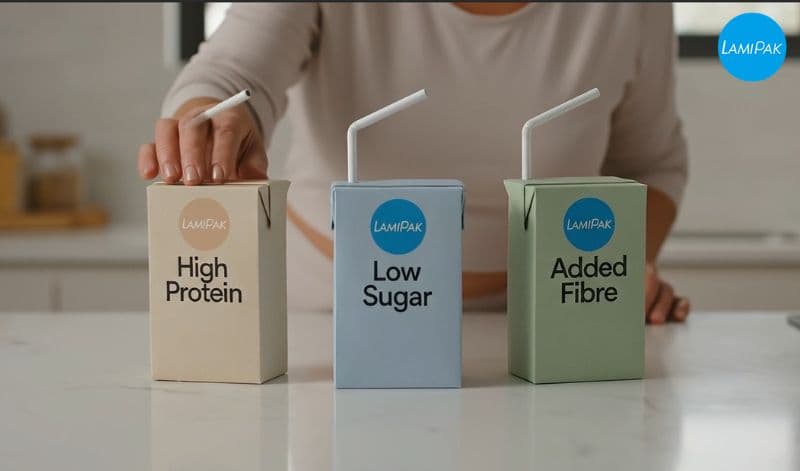
As interest in fibre and its associated benefits grows, brands should prioritise innovation that bundles complementary nutritional claims to address multiple health needs simultaneously. Clear, benefit-led on-pack communication will be critical to capture consumer attention and differentiate in a crowded market.
Given Millennials’ strong engagement with fibre-rich products, targeted social media and digital campaigns will be essential to reach and convert this demographic effectively.
Finally, with a significant portion of consumers remaining price sensitive, success in this expanding segment will depend on achieving an accessible price point while clearly articulating the value of proactive health management.
How We Can Help
At Lamipak, we support manufacturers navigating emerging opportunities. Our Knowledge Center, equipped with a state-of-the-art pilot plant, can help manufacturers test their products, facilitating product development and faster go-to-market with minimal overheads. Our wide range of sustainable packaging solutions can enable manufacturers to differentiate their products while being flexible in adapting to changing market demands.
With deep expertise in aseptic packaging, we are uniquely positioned to support manufacturers worldwide as they capitalise on growth in the fibre-enhanced category.