
Evolving Tastes: Key Consumer Trends Shaping Europe’s Food and Beverage Industry
Europe’s food and beverage industry is undergoing a profound transformation. Consumers are rethinking what they eat and drink, prioritizing health, sustainability, and authenticity. Producers are responding with reformulation, innovation, and packaging redesigns that reflect these evolving values.

A Changing Mood Across Europe
Europe’s food and beverage industry is undergoing a profound transformation. Consumers are rethinking what they eat and drink, prioritizing health, sustainability, and authenticity. Producers are responding with reformulation, innovation, and packaging redesigns that reflect these evolving values.
Health and Wellbeing Take Centre Stage
Health has become a cornerstone of modern consumption. Europeans now look for foods and drinks that promote long-term wellbeing rather than quick dietary fixes. Functional beverages, plant-based proteins, and nutrient-rich snacks are leading growth categories, offering natural energy, immunity support, and mental balance.
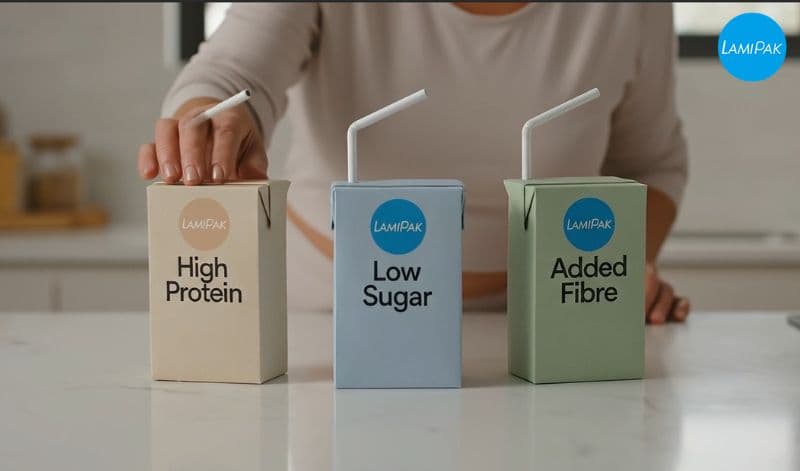
Producers such as Nestlé, Danone, and Unilever are reformulating portfolios to reduce sugar and salt while adding fiber, vitamins, and probiotics. Beverage brands are expanding low- and no-sugar options, responding to the rise of mindful drinking among health-conscious consumers.
Transparency Builds Trust
Transparency has emerged as one of the strongest purchase drivers. Consumers expect clear information on ingredients, origins, and sourcing practices. The “clean label” trend—simple, natural formulations with recognizable ingredients—has moved from niche to mainstream.
Digital tools such as QR codes and blockchain records now help producers demonstrate authenticity and ethical sourcing. Trust is built through verified data, not slogans, and brands that offer full visibility earn long-term loyalty.
Sustainability as the New Standard
Sustainability has become the defining measure of credibility in the European market. Consumers demand concrete environmental action, from carbon reduction and renewable energy use to responsible packaging.
Producers are redesigning supply chains for circularity, integrating recyclable and plant-based materials, and cutting waste across production cycles. In beverages, the move away from fossil-based plastics toward paperboard or hybrid carton packaging is accelerating, driven by both regulation and consumer preference. Packaging is now one of the clearest signals of a brand’s environmental integrity.

Plant-Based Diets Mature
Plant-based eating continues to expand, though consumer focus has shifted from imitation to innovation. Rather than seeking direct meat and milk substitutes, consumers are embracing natural, minimally processed ingredients—legumes, grains, and seeds—that deliver both nutrition and taste.
Producers are refining plant-based dairy and protein ranges, focusing on sensory quality and nutritional value. The future of this category will depend on flavor, affordability, and authenticity as much as sustainability.
Convenience Reimagined
Convenience remains central to European consumption, but its meaning has evolved. Hybrid work and urban lifestyles have blurred meal times, increasing demand for quick, healthy, and portable options.
Producers are creating ready-to-drink and on-the-go formats that balance nutrition with environmental responsibility. Lightweight, resealable, and recyclable carton packaging has become especially appealing for modern, mobile consumers seeking both practicality and eco-consciousness.
Digitalization and Smart Engagement
Digitalization is reshaping how consumers discover and interact with brands. Online retail, mobile apps, and personalized recommendations are now key to building trust and loyalty.
Smart packaging technology adds a new layer to this relationship. By embedding unique digital identifiers, producers can share sourcing data, recycling instructions, and sustainability metrics directly with consumers—turning each pack into an interactive storytelling platform that strengthens transparency.
Balancing Value and Quality
Rising living costs have placed value back at the center of consumer decision-making. Yet, many Europeans remain willing to pay more for products that deliver real benefits—better health, verified ethics, or environmental care.
Producers are adapting by offering multi-tiered portfolios that combine affordability with premium sustainable options. This balance allows consumers to align purchases with both personal values and financial realities.
Experience Still Drives Choice
Despite the focus on health and ethics, taste and enjoyment remain essential. Food and drink continue to provide emotional connection, comfort, and discovery. Younger consumers, especially Gen Z, seek products that tell authentic stories about culture, craftsmanship, or purpose.
Brands are responding with limited editions, collaborations, and global flavor profiles that blend novelty with traditions. Successful innovations merge sensory pleasure with social and environmental awareness.
Packaging as a Platform for Innovation
Packaging has become the most visible symbol of sustainability. Carton-based solutions are increasingly favored in Europe’s beverage market for their renewable paperboard content and recyclability.
Consumers associate eco-friendly packaging with trust and modernity. Producers are investing in certified, renewable materials and low-carbon production processes. Packaging design now communicates values as much as function—using natural tones, tactile textures, and digital interactivity to engage and educate consumers about environmental impact.
Lamipak: A Trusted Global Partner in Sustainable Packaging
As beverage producers navigate these shifts, Lamipak stands out as a trusted global partner in premium and sustainable aseptic carton packaging. The company integrates innovation, functionality, and environmental responsibility to meet the expectations of modern consumers and forward-looking brands.
Lamipak’s packaging solutions minimize environmental impact while maintaining product safety and quality. Company’s Pilot Plant enables customers to co-create beverage recipes, test formulations, and optimize packaging performance before market launch—bridging product development with packaging innovation.
Complementing this, Lamipak’s One Pack One Code technology assigns each package a unique digital identity, enabling traceability, anti-counterfeiting, and direct consumer engagement. This feature allows brands to connect digitally with customers, verify product authenticity, and share sustainability data transparently.
By combining sustainability, technology, and co-creation, Lamipak helps beverage brands deliver products that reflect Europe’s evolving expectations—where quality, innovation, and responsibility meet.
To explore Lamipak’s sustainability initiatives and portfolio of premium aseptic carton packaging solutions, visit www.lamipak.com.