Targeting Health and Generational Needs in the Growing Lactose-Free Market
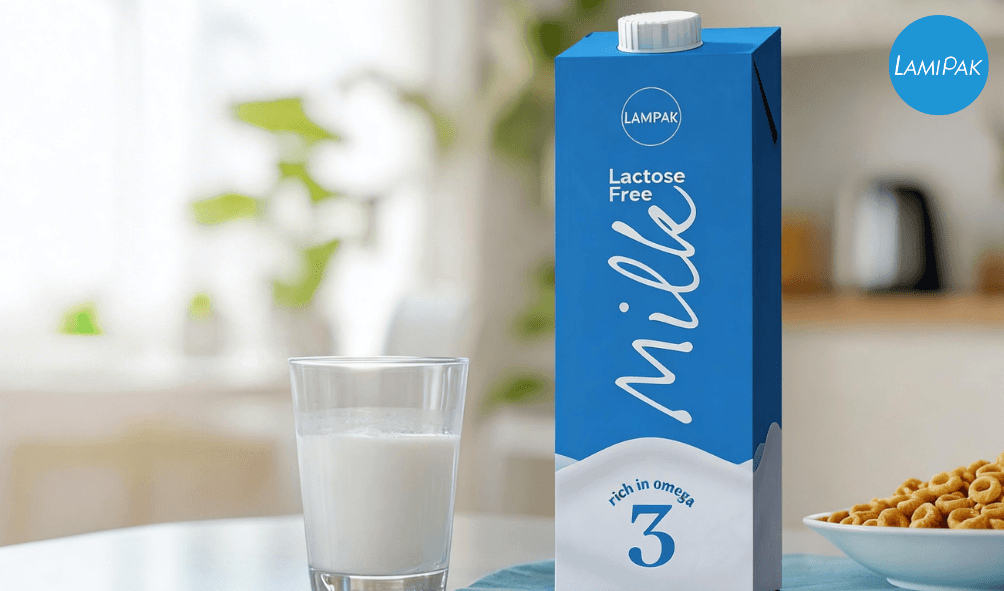
For individuals with lactose intolerance, even a simple glass of milk can lead to digestive distress, causing symptoms like diarrhea, vomiting, and abdominal pain. Lactose-free milk offers a valuable alternative, as it contains lactase—an enzyme that breaks down lactose—allowing those affected to enjoy dairy with nearly the same taste, texture, and nutrients as regular milk.
For individuals with lactose intolerance, even a simple glass of milk can lead to digestive distress, causing symptoms like diarrhea, vomiting, and abdominal pain. Lactose-free milk offers a valuable alternative, as it contains lactase—an enzyme that breaks down lactose—allowing those affected to enjoy dairy with nearly the same taste, texture, and nutrients as regular milk.
With an estimated 65% of the global population experiencing some level of lactose intolerance, the market potential for lactose-free dairy products is significant. While brands initially focused on standard lactose-free milk, the rise of plant-based alternatives, which are naturally lactose-free, has intensified competition.
To stand out in this increasingly crowded space, brands are expanding beyond simple lactose digestion benefits by offering enhanced health advantages.
Enhanced Nutrition
As competition grows, brands are emphasizing multiple health benefits to differentiate their products. This is a wise move, as 60% of consumers globally report that health labels often or always influence their purchase decisions (GlobalData Consumer Survey, 2023).
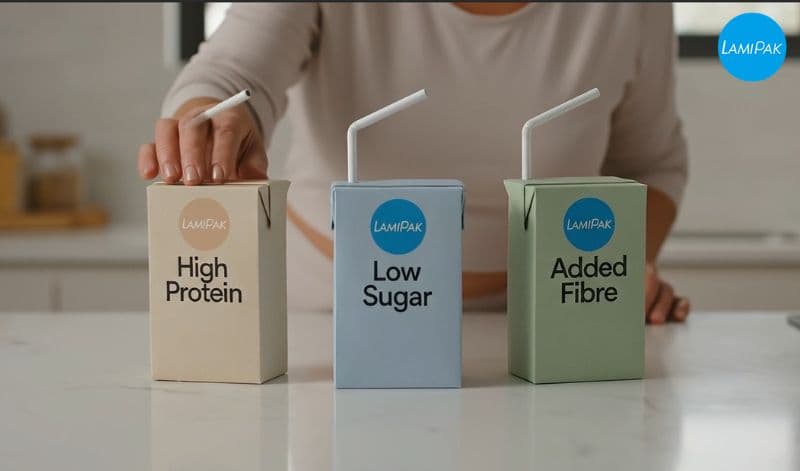
One approach to stand out is by increasing the protein content in lactose-free products. Enhancing lactose-free milk by adding high protein content creates a unique opportunity to meet the needs of health-conscious consumers, particularly those with active lifestyles or higher protein requirements. This approach offers a dual benefit of digestive comfort and functional nutrition, creating an opportunity for brands to offer a premium product that stands out, commands higher pricing, and addresses the growing demand for functional, performance-oriented beverages.
Combining lactose-free milk with additional health benefits presents a significant advantage in addressing multiple consumer needs while delivering greater value. By enriching products with features such as easily digestible A2 milk and essential nutrients such as folic acid, vitamin A, and vitamin D, brands can create products that go beyond basic dietary requirements. These products can include supporting immune function, muscle growth, and bone health claims, making them a comprehensive option for health-conscious consumers. This multi-benefit approach is appealing, especially in a high-inflation environment where consumers seek justification for every dollar spent.
Addressing Generational Needs
Brands are also catering to the unique health concerns of different generations. Older generations are a top priority for them as one in four consumers aged 55 and above consumes dairy products every day or more (Innova Consumer Survey, 2024). For these generation, immunity and bone health are a top priority. Brands are addressing their unique health concerns by fortifying lactose-free milk with the necessary vitamins and minerals required to help them meet their health goals.
Children are another demographic that lactose-free brands are targeting. What started as nothing more than colourfully designed packs with pictures of popular child movie stars like Timon and Pumbaa from the Disney movie The Lion King has transformed into products specially formulated with essential nutrients like vitamins A, B-complex, D, omega -3, and other nutrients. By positioning themselves as the ideal choice for children’s nutrition, these brands appeal to parents seeking wholesome, lactose-free solutions that provide the necessary building blocks for their kids' healthy development
Healthy Snacking
While family-sized packages dominate the lactose-free dairy segment, accounting for over 90% of new product launches in the last five years (Innova NPD), the demand for smaller, snack-sized options is rising. Younger consumers, particularly Generation Z, prefer smaller, convenience-led packs that suit their busy lifestyles.
Elevated Experiences
Although unflavored lactose-free milk dominates the category, innovation in flavors is gaining momentum as brands seek to provide consumers with more exciting taste experiences. Milk chocolate, strawberry, and vanilla have dominated the category for a while, but brands have started experimenting with more adventurous flavors to appeal consumers looking for indulgent yet refreshing experiences.
Berry flavors, especially blends like raspberry-blueberry or acai, are also being introduced as healthier and antioxidant-rich options. These flavors offer a fruity, refreshing alternative to more traditional milkshake-style tastes.
Sustainability
Sustainability remains a key concern for many consumers, with 2 in 5 globally stating that a product's environmental friendliness often or always influences their purchase decisions (Global Data Consumer Survey, 2024). In response, lactose-free dairy brands are adopting sustainable practices, including ethical certifications to ensure environmentally conscious production.
Sustainable packaging is another area of focus. Liquid aseptic cartons, which make up 72% of new lactose-free product launches in the last five years (Innova NPD), are popular due to their renewable materials—up to 80% sourced from sustainably managed forests—and recyclability. These characteristics align with consumers' desire for products that minimize environmental impact.
As the lactose-free dairy market continues to evolve, brands are increasingly focused on providing consumers with products that not only meet their dietary needs but also align with their health goals and values. By offering targeted health benefits, innovative product formats, and a commitment to sustainability, brands can differentiate themselves and capture a larger share of this growing market.