Packaging Is the Last Lever Left for Margin Protection
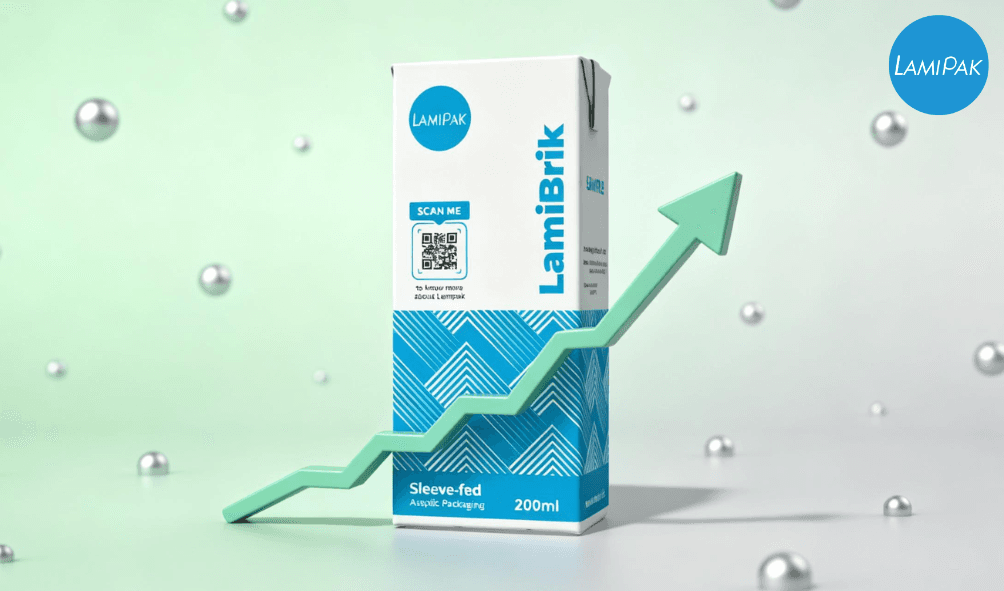
When thinking about product’s physical attributes, packaging is often perceived as a cost—necessary but not strategic asset. In fact, smart packaging design can work as a margin protection factor, a buffer, when raw materials, logistics costs rise making market conditions quite unstable.
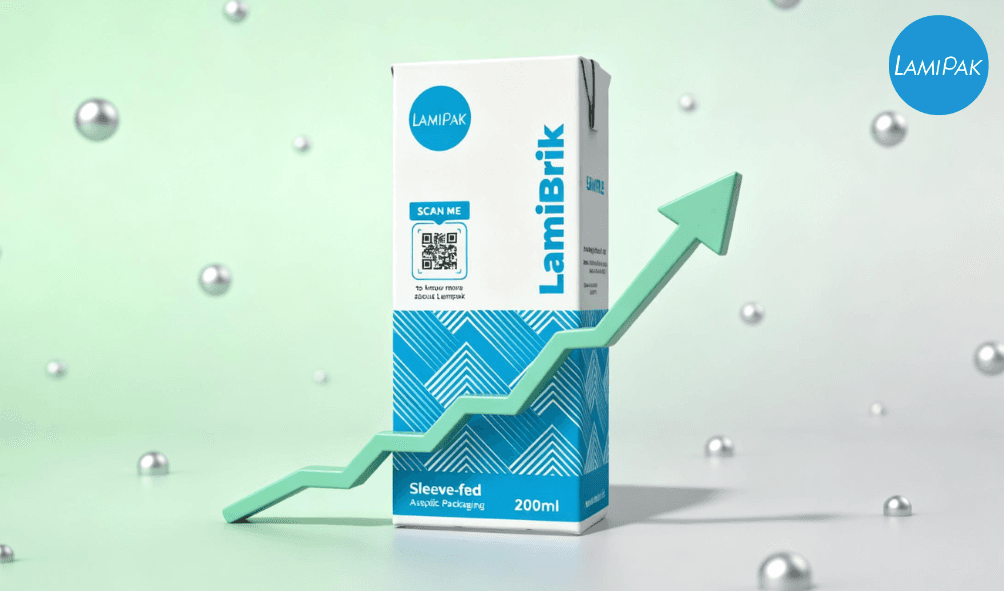
When thinking about product’s physical attributes, packaging is often perceived as a cost—necessary but not strategic asset. In fact, smart packaging design can work as a margin protection factor, a buffer, when raw materials, logistics costs rise making market conditions quite unstable.
The cost of packaging is a comprehensive indicator that includes all expenses for the design, production, and delivery of packaging materials. Accurate calculation of this parameter is critically important for setting a competitive product price and optimizing production processes.
The overall cost structure could be divided into two main categories:
- fixed costs, which remain constant regardless of production volume, and
- variable costs, which directly depend on the number of units produced.
Thorough evaluation of each of these categories allows effective budget planning and identifying opportunities for cost reduction.
The first stage involves determining all fixed costs: the cost of design development, prototype creation, and equipment setup. These expenses will be summed up and will be allocated across the entire print run.
The second stage involves calculating the variable costs per unit. It is vitally important to consider the material consumption per unit, printing costs, labor time, transport costs per unit, storage, and warehousing expenses.
The third stage consists of applying the main formula to obtain the final cost price. It is important to regularly update the calculations when the prices of materials or service rates change.
Economies of scale are a key economic principle in the packaging industry. As production volume increases, the cost per unit of packaging decreases due to the distribution of fixed costs over a larger number of units and the benefit of bulk discounts on materials.
The choice of packaging materials is one of the most significant factors determining cost. Packaging material choice and innovation are propelled by three key drivers and trends:
The packaging industry in the consumer sector has been facing significant challenges such as falling consumer spending and rising energy, material, and labor input costs, which squeeze profit margins. In response to these pressures, packaging companies are adopting cost-saving measures to enhance efficiency and maintain competitiveness.
Supply-chain management and automation are increasingly being employed to optimize operations and reduce costs. Furthermore, the industry is focusing on sustainability to meet the demand for eco-friendly packaging solutions. This involves the use of responsible practices and materials that reduce the environmental impact of packaging. Digitalization is also transforming the industry, with companies leveraging technology to streamline operations and develop innovative packaging solutions.
Some of the key industry trends make manufacturers choose either to opt for packaging which meets consumer expectations at best or choose packaging options critical for margin protection. For example, environmentalism, which is becoming a wide-spread trend driven by consumer awareness and expectation, promotes innovations in materials to increase sustainability. A challenge for manufacturers will be investing in such innovation when costs are up, and consumers are tightening belts in the face of inflation. Digitalization also does not just reflect a technologically sophisticated supply chain, but also a change in consumer demand; digital lifestyles (home and hybrid working, online ordering for home delivery, etc.) mean packaging types need to reflect altered occasions, locations, and possibly digital functionality (in labelling, traceability for product lifecycle monitoring).
Thus, a systematic approach to packaging should be chosen. In long perspective optimization of packaging costs allows for a 20-35% reduction in expenses without compromising quality or functionality.
For companies with a wide range of similarly sized products using a limited set of standard packaging sizes instead of customized solutions for each product simplifies purchasing, reduces inventory, and provides bulk discounts from suppliers.
The introduction of automated packaging equipment can reduce labor costs by 20-40% while simultaneously increasing productivity and reducing errors. Automatic systems for folding boxes, dispensing fillers and sealing ensure consistent quality and high processing speed.
Conclusion
Packaging is critical for margin protection, functioning as the final lever to enhance profitability by reducing waste, lowering "cost-in-use," and increasing product value. Consumers are increasingly laser-focused on cost and value-for-money. Excessive packaging or obviously expensive packaging types and materials are likely to play somewhat of a role in product choice as consumers look for economies. In terms of material and packaging type, this puts pressure on manufacturers to minimize the packaging expenses. They may need to consider alternative approaches to reduce costs, such as optimizing packaging design, or exploring alternative materials that are more cost effective for both themselves and consumers.