Strategies to Drive Sustainability in Plant-Based Milk
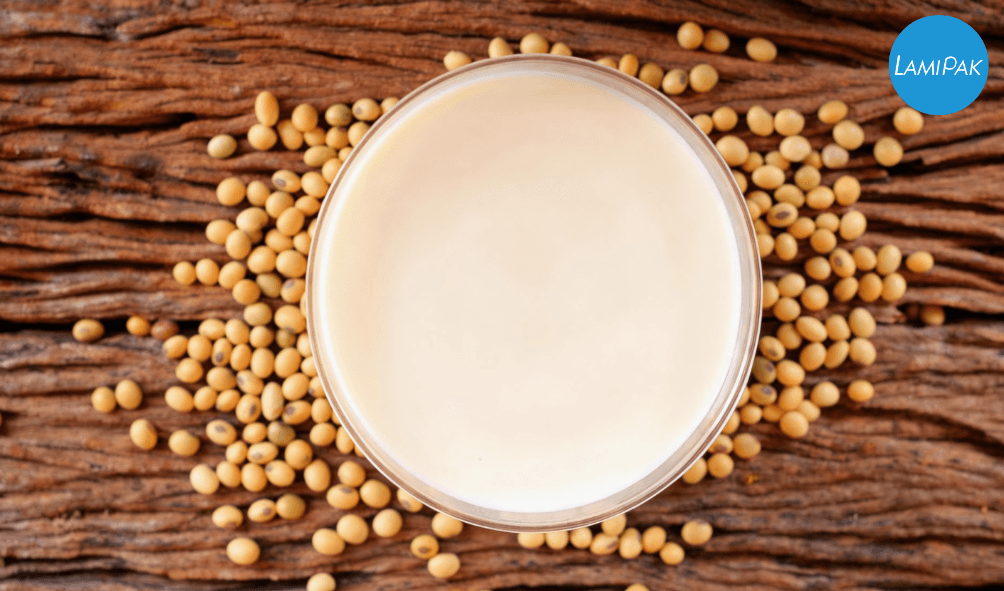
More consumers globally are embracing plant-based milk alternatives due to animal welfare, environmental concerns, and health consciousness. This surge in demand is driving the growth of the plant-based milk industry. In just three years, the global market for milk alternatives made from grains, nuts, rice, and seeds has surged by 22%, reaching a valuation of US$34.7 billion by 2023.3
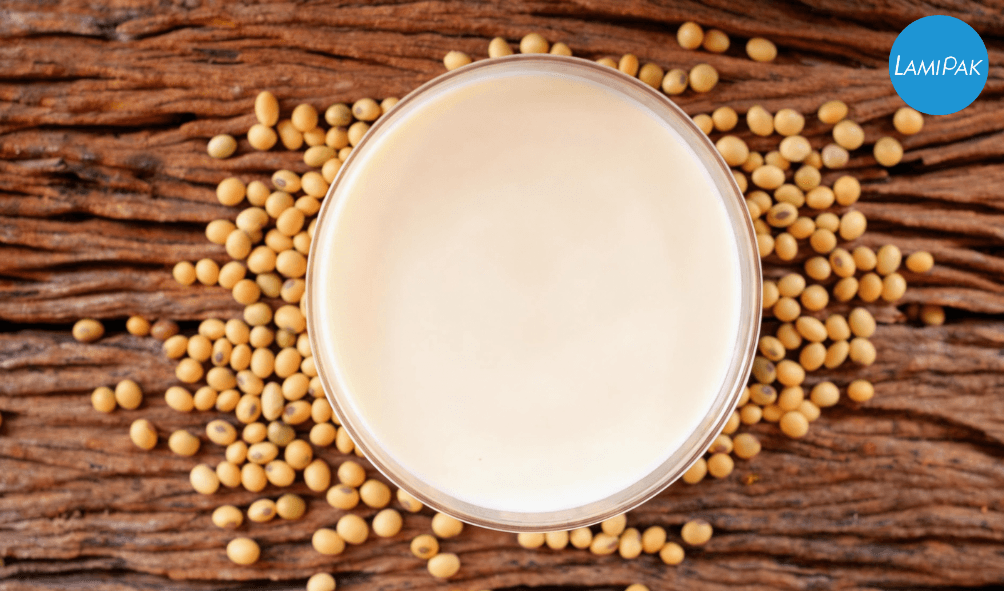
More consumers globally are embracing plant-based milk alternatives due to animal welfare, environmental concerns, and health consciousness. This surge in demand is driving the growth of the plant-based milk industry. In just three years, the global market for milk alternatives made from grains, nuts, rice, and seeds has surged by 22%, reaching a valuation of US$34.7 billion by 2023.3
Demand is expected to grow even further as advancements in formulation and processing technologies have significantly transformed the quality of plant-based products to a level that rivals that is almost at par with dairy products. Additionally, a wide range of raw materials, from oats and peas to soy, rice and almonds, can be turned into all manner of tasty and high-quality products from barista milks to yogurts that competently work as alternatives to their dairy counterparts. This is further propelling the growth of the industry. Global Data analysts forecast the grain, nut, rice, and seed milk to grow at a CAGR of 3.7% to reach a market value of US$41.6 billion by 2028.3
This industry expansion has stimulated large-scale production of plant-based milk crops such as almonds, soy, rice, and oats. For instance, Almond milk, which has surged in popularity over the past decade, is directly associated with a 57% increase in almond farming acreage in California, the U.S. state responsible for 80% of global almond production.
As with any large-scale crop production, plant-based milk crops can impact the environment when not grown responsibly. Reports have linked almonds to loss of biodiversity in the USA, Soy to deforestation in Brazil, while Rice has been blamed for its high-water usage. Consequently, merely being dairy-free is insufficient to establish robust sustainability credentials for plant-based milk products.
To address these concerns and enhance their sustainability profiles, plant-based milk processors are implementing various strategies. This article explores some of these initiatives.

Embracing Sustainable Ingredients
Almond, soy, rice, and oat milk dominate the plant-based beverage market. However, their cultivation on a massive scale to meet global demand has exacerbated environmental concerns. As depicted in the chart above, these popular options carry significant ecological footprints.
To reduce the carbon footprint of plant-based milk, a new trend is emerging where processors are incorporating lesser-known yet sustainable ingredients like pea, millet, and hemp into their products. India’s Mahanad Dairy exemplifies this approach with its September 2023 launch of Better Bet, a millet-based plant milk. Millet is renowned for its role in crop rotation, improving soil health, nutrient density, and biodiversity. Similarly, Bonneterre Rice, Spelt, and Hazelnut Drink in France says that its production involves cultivating about 10 species through long rotation in fields surrounded by hedges, streams, or other natural areas as part of a progressive approach.
Another innovative strategy involves the utilization of upcycled ingredients. Hope and Sesame milk, introduced in the USA in February 2024, employs Upcycled Certified™ sesame protein, a byproduct of sesame oil production. This approach not only reduces waste but also delivers a nutrient-rich product.
Sourcing Locally
Transportation is a significant contributor to the carbon footprint of the food industry. A study published in Nature Food revealed that global food miles generated a staggering 3 billion tonnes of CO2 equivalent emissions annually.
To reduce their environmental impact, plant-based milk companies are increasingly prioritizing shorter supply chains by sourcing raw materials locally. Many brands are transparent about this commitment, with on-pack messaging highlighting their local sourcing initiatives. “We value short transport routes and close cooperation with our local oat farmers,” says German milk brand Velike in its new Oat drink launched in June 2024.
This localized approach necessitates adapting to the available crops in each region. While almond, oat, and soy remain popular, plant-based milks made from rye, barley, and even maize are emerging as viable alternatives. Consumers are responding positively to these products, drawn to both the environmental benefits of reduced transportation and the positive impact on local communities.
Using Sustainable Packaging
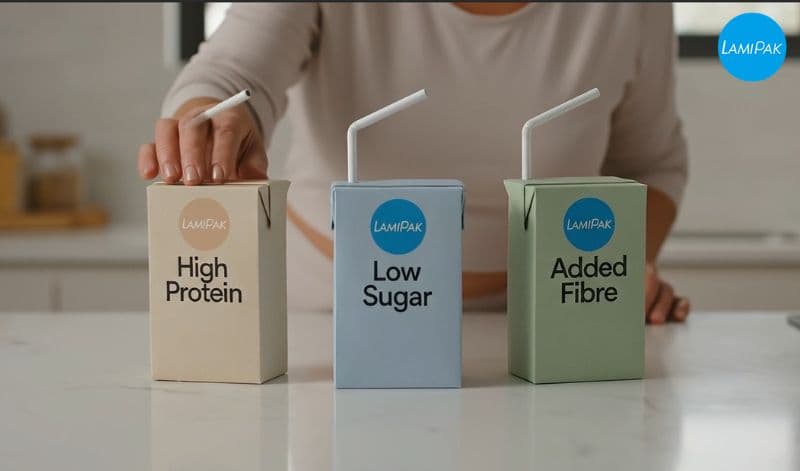
A growing number of plant-based milk producers are prioritizing sustainable packaging for their products, demonstrating a commitment to both environmental responsibility and consumer values. Beverage cartons, composed of up to 80% renewable materials sourced from sustainably managed forests, have emerged as a popular packaging choice, accounting for 71% of new product launches globally between 2019 and 2024.4 Recent advancements in technology have enabled the use of up to 90% renewable content in beverage cartons, further solidifying their position as a sustainable packaging solution.
It can only get better from here
As consumer awareness of the environmental impact of food production and transportation increases, plant-based milk producers are under growing pressure to innovate and maintain their reputation as climate-friendly options. This is likely to drive a surge in the use of climate-resilient, sustainably sourced ingredients and a greater emphasis on local sourcing to reduce carbon emissions and support local economies. Additionally, demand for sustainable packaging in the plant-based milk industry is expected to rise even further as producers and consumers seek to limit the impact of food packaging for the environment.
Interested in the latest trends in the food and beverage industry? Our market intelligence team is ready to unpack them for you so that you can succeed in this competitive landscape. Talk to us today, and let's help you speak the language of your consumer.
Source
1. https://ourworldindata.org/environmental-impact-milks
2. https://www.carbonbrief.org/food-miles-have-larger-climate-impact-than-thought-study-suggests/
3. Global Data
4. Innova Market Insights
5. https://www.nass.usda.gov/Statistics_by_State/California/Publications/Specialty_and_Other_Releases/Almond/Objective-Measurement/2023almondOM.pdf