
How Gen Z impact Aseptic packaging formats innovation?
Gen Z is reshaping aseptic packaging innovation by driving sustainability, health, convenience, digital interaction, and aesthetic personalization—forcing brands and suppliers to reimagine formats, materials, and user experience.
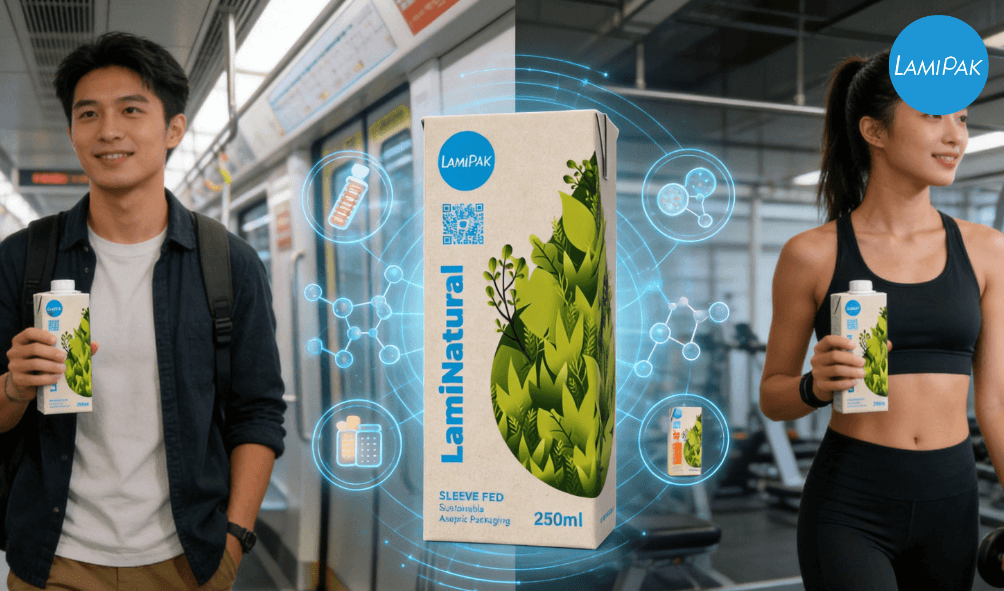
Gen Z is reshaping aseptic packaging innovation by driving sustainability, health, convenience, digital interaction, and aesthetic personalization—forcing brands and suppliers to reimagine formats, materials, and user experience.
1. Sustainability: The Non-Negotiable Core Driver
Gen Z’s demand for eco-friendly packaging is the single biggest catalyst for material and structural innovation.
· Preference for recyclable/renewable materials: 60% of Gen Z prioritize recyclable packaging; 70% will pay a 15–20% premium for sustainable formats. This has accelerated the shift from traditional multi-layer plastic/aluminum composites to:
² Plant-based laminates (e.g., renewable cartons, reducing carbon footprint by ~76%)
² Monolayer/mono-material structures for easier recycling
² Bio-based polymers (PLA, PHA) and FSC-certified paper
· Circular design mandates: Push for refillable aseptic systems, attached caps (to prevent litter and improve recyclability), and light weighting to cut material use and logistics emissions.
2. Health & Clean Label: Fueling Aseptic Adoption & Formulation
Gen Z’s obsession with “clean label,” zero preservatives, and nutrient retention directly expands aseptic’s role and drives format refinement.
· Aseptic cold filling growth: Preference for minimally processed, nutrient-preserved products (plant milks, functional beverages, cold brew) has spurred adoption of aseptic cold filling—which avoids heat damage to vitamins and proteins while enabling long shelf life without preservatives.
· Expansion into new categories: Aseptic packaging now penetrates clean beauty, probiotic supplements, and premium pet food, where preserving active ingredients and avoiding preservatives is critical.
· Barrier performance upgrades: Demand for “zero-additive” products requires higher oxygen/moisture barrier films to maintain freshness without chemical stabilizers.
3. On-the-Go & Convenience: Miniaturization & Ergonomics
Fast-paced, mobile lifestyles drive format shifts toward portability, ease of use, and single-serve dominance.
· Small-format explosion: Surge in 200–330ml slim/edge aseptic cartons, mini bottles, and pouches—optimized for hands, bags, and social consumption.
· Ergonomic & functional design:
² Easy-open, no-mess features (tear notches, one-touch caps, attached lids)
² Slim, contoured shapes for better grip and portability
² Reclosable aseptic formats for partial consumption without spoilage
· E-commerce resilience: Packaging must withstand shipping—driving stronger seals, puncture resistance, and stackable designs.
4. Aesthetic & Social Identity: Packaging as Self-Expression
Gen Z views packaging as an extension of personal style and social currency, pushing design and customization.
· Visual differentiation: Demand for matte/gloss finishes, bold graphics, vintage typography, and limited-edition art—making aseptic cartons “Instagrammable” and shareable.
· Customization & co-creation: Rise of user-generated packaging designs, micro-batch limited editions, and collectible formats—turning standard SKUs into cultural objects.
· Sensory experience: Tactile textures (embossing, soft-touch), ASMR-friendly opening sounds, and interactive elements (QR/AR codes) enhance unboxing and social sharing.
5. Digital & Smart Packaging: Connectivity & Transparency
Digital-native behavior drives integration of tech into aseptic formats for engagement and trust.
· On-pack digital interaction:
² QR/AR codes for product stories, recycling guides, or branded content
² NFC/RFID tags for traceability, authenticity, and loyalty programs
· Transparency as a must: Clear labeling of materials, recyclability, and sourcing—Gen Z rejects greenwashing and demands verifiable sustainability claims.
6. Supply Chain & Production: Agile, Small-Batch Innovation
Gen Z’s preference for niche, localized, and fast-changing products reshapes manufacturing models.
· Flexible, short-run production: Demand for small-batch, high-variety packaging drives adoption of digital printing and modular aseptic lines—reducing lead times and enabling rapid design iterations.
· Localized solutions: Regional preferences (e.g., Southeast Asia’s love for pouches, Europe’s preference for cartons) push for market-specific format customization.
Gen Z is not just influencing packaging—they are redefining the purpose of aseptic formats: from purely functional preservation to a holistic blend of sustainability, health, convenience, identity, and digital connection. Brands and suppliers that align with these values will lead the next wave of aseptic packaging innovation.