
How High-Protein Beverages are Leading the Nutrition Revolution?
The global ready-to-drink (RTD) protein beverage market has experienced significant growth in recent years, reaching a value of USD 1.6 billion in 2024. The market is expected to expand to USD 1.8 billion by 2025, with projections indicating continued growth, reaching USD 3.3–3.5 billion by 2032. This expansion reflects a strong compound annual growth rate (CAGR) of 7%–8% over the forecast period.
The global ready-to-drink (RTD) protein beverage market has experienced significant growth in recent years, reaching a value of USD 1.6 billion in 2024. The market is expected to expand to USD 1.8 billion by 2025, with projections indicating continued growth, reaching USD 3.3–3.5 billion by 2032. This expansion reflects a strong compound annual growth rate (CAGR) of 7%–8% over the forecast period.
This growth is largely driven by rising consumer demand for convenient, high-protein nutrition solutions across diverse demographics worldwide. Regionally, North America dominates the market, fueled by increasing awareness of healthy living and the growing preference for convenient, nutrient-rich options among the working population. The Asia-Pacific region is emerging as a high-growth market, with its value projected to reach USD 800 million by 2032. Countries such as China and India, where expanding middle classes and rising health and fitness awareness are prevalent, are witnessing a significant surge in demand for RTD protein beverages.
The growing recognition of protein's role in muscle development, recovery, and overall wellness has broadened its appeal beyond traditional athletes to a wider audience, including health-conscious individuals of all ages. This shift is largely driven by evolving consumer preferences, particularly among fitness enthusiasts, working professionals, and those prioritizing overall well-being.
As more people acknowledge the critical link between nutrition and health, protein-enriched products are gaining widespread popularity. A survey by Innova Market Insights highlights this trend, revealing that 34% of global consumers consider "fortified with protein" a key factor when selecting food and beverages, while 42% rank protein as the most important ingredient in their dietary choices. These trends highlight the growing importance of protein in meeting the evolving needs of diverse demographics and underscore the global potential of the RTD protein beverage market.
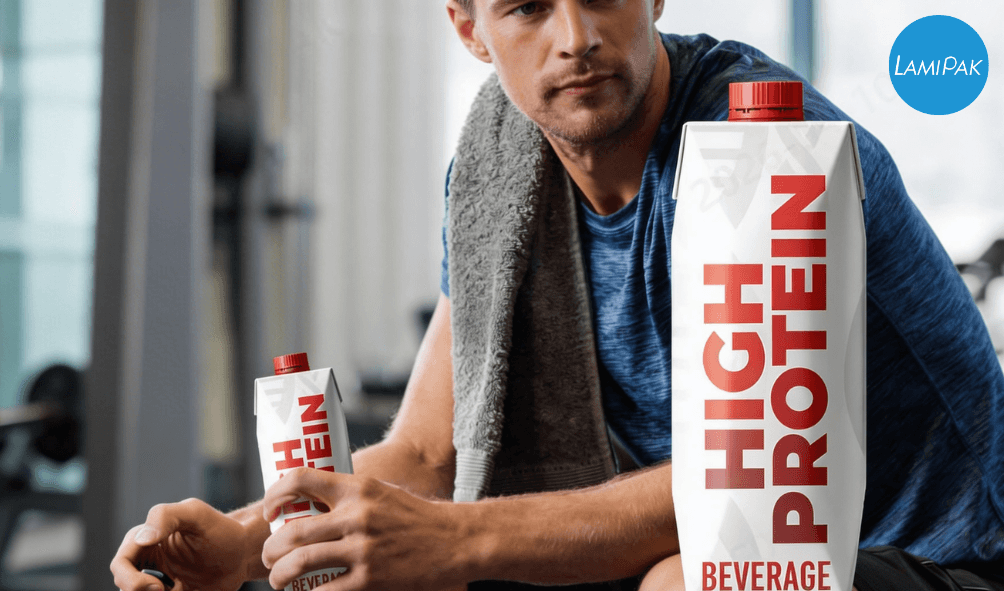
Modern consumers, grappling with fast-paced and hectic schedules, are increasingly seeking quick and nutritious meal options. Ready-to-drink protein beverages have emerged as a perfect solution, offering a blend of convenience and nutrition. These beverages cater to the growing demand for on-the-go nutrition, enabling consumers to maintain active lifestyles without compromising on their dietary needs.
Ready-to-drink protein beverages have evolved from niche products for athletes to mainstream nutritional staples, offering a perfect blend of convenience and health benefits. Whether it’s a high-protein shake for post-workout recovery, a fortified meal replacement for a hectic day, or a flavored drink for an energy boost, these beverages are meeting the diverse needs of modern consumers. By combining cutting-edge innovation with the practicality of on-the-go nutrition, RTD protein beverages are not just fueling active lifestyles but also redefining how people approach health and wellness in their everyday lives.
Key Protein Sources in RTD Beverages
The primary sources of protein used in high-protein milk products include milk solids (skimmed milk powder), Milk protein, whey protein, casein protein, and soy proteins. These proteins are available in different formats, such as concentrates and isolates, which are highly digestible and provide excellent nutritional value.
Whey Protein is known for its exceptional nutritional profile, it contains all essential amino acids required by the body and also boasts a high Protein Digestibility Corrected Amino Acid Score (PDCAAS), making it a top choice for sports nutrition. Manufacturers are increasingly incorporating whey protein isolate into new products due to its high purity and low lactose content.
Casein is known for its slow-digesting properties, making it ideal for meal replacement and weight-loss beverages. It provides a steady supply of amino acids to muscle cells, promoting muscle recovery and growth.
Milk Solids (Skimmed Milk Powder) are a cost-effective source of protein, it offers a balanced mix of whey and casein proteins along with other essential nutrients. They are widely used in dairy-based protein products due to their good solubility and texture.
Soy Proteins provides all essential amino acids and offers additional health benefits, such as cholesterol reduction.
Product Innovations Driving Market Growth
To cater to diverse dietary needs and fitness goals, brands are introducing RTD protein beverages with varying protein concentrations, functional benefits, and nutritional profiles.
While standard milk typically contains 3-3.5 grams of protein per 100 ml, high-protein milk products have significantly elevated this benchmark. These products now offer starting from 8 grams of protein per 200 ml serving, with brands continuously innovating to push the limits, aiming to deliver up to 22 grams of protein per 200 ml serving. For instance, India has introduced a high-protein milk variety containing 14 grams of protein per 100 ml, showcasing the industry's commitment to enhancing protein content without compromising quality.
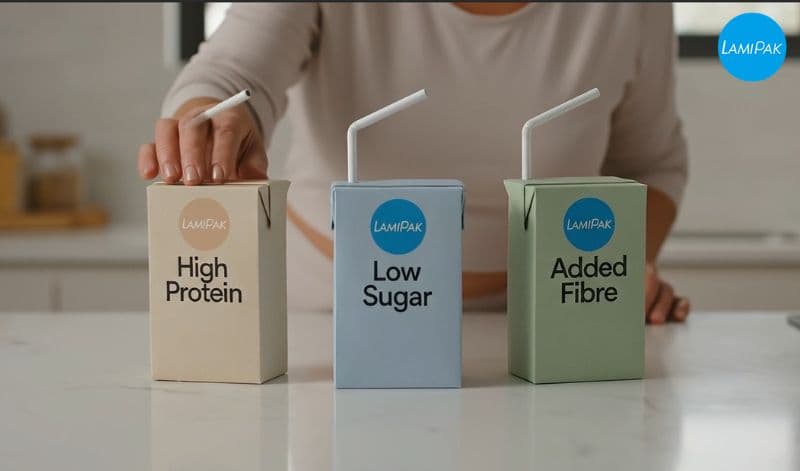
Brands are not only focusing on increasing protein levels but also ensuring that these products meet premium standards. High-protein beverages are being positioned as premium offerings, often fortified with additional nutrients and catering to specific dietary preferences. For example, many products are now sugar-free, lactose-free, or enriched with vitamins and minerals, making them appealing to a wider audience. These innovations allow companies to market their products as not just high in protein but also as holistic nutritional solutions that support overall health and wellness.
Innovations in product formats, such as solely high protein drinks and a wide range of flavored options, have made these beverages more appealing to a broader audience. By combining increased protein content with premium positioning and added functional benefits, brands are successfully meeting the evolving needs of today's health-conscious consumers.
These innovations in product formulations and premium positioning of RTD protein beverages are seamlessly aligning with the growing demand for convenience in today’s fast-paced world. As brands push the boundaries of protein content, functionality, and flavor variety, they are also addressing the need for quick, nutritious solutions that fit seamlessly into busy lifestyles
Conclusion
The global ready-to-drink protein beverage market is on an upward trajectory, fueled by the convergence of convenience, health consciousness, and innovative product offerings. As consumers continue to prioritize nutrition on-the-go, the demand for high-protein beverages is expected to grow across all demographics. With advancements in protein sources, formulations, and regional market penetration, the future of RTD protein beverages looks promising, offering a perfect blend of taste, nutrition, and convenience, have witnessed a rise in consumption across all sectors, particularly in the health and fitness sector. From high-protein milk variants offering up to 22 grams of protein per serving to sugar-free, lactose-free, and fortified options, the industry is pushing the boundaries of nutrition and convenience. By positioning these products as premium, holistic solutions, brands are not only meeting the evolving demands of health-conscious consumers but also shaping the future of functional beverages. As the market continues to expand, RTD protein beverages are poised to become a staple in the diets of fitness enthusiasts, busy professionals, and wellness-focused individuals worldwide, solidifying their role in the global nutrition landscape.
Sources
Innova Database
Innova category survey 2024
GlobalData
GlobalData Consumer survey Q3, 2024
Mordor Intelligence- Ready to Drink Protein Market Size & Share Analysis - Growth Trends & Forecasts (2025 - 2030)
Straits research - Ready-to-Drink Protein Beverage Market Size
Lamipak Analysis