
How RTD Tea and Coffee are Blending Refreshment with Wellness?
The Ready-to-Drink (RTD) tea and coffee market is experiencing strong growth, driven by evolving consumer preferences, refreshing choices, and continuous innovation. In 2024, the RTD tea market was valued at USD 83 billion and is projected to expand at a CAGR of 6.6% over the next five years.
The Ready-to-Drink (RTD) tea and coffee market is experiencing strong growth, driven by evolving consumer preferences, refreshing choices, and continuous innovation. In 2024, the RTD tea market was valued at USD 83 billion and is projected to expand at a CAGR of 6.6% over the next five years.
Meanwhile, the RTD coffee market, worth USD 39 billion, is expected to grow at a CAGR of 3.8% during the same period. Asia remains the dominant region for both RTD tea and coffee, accounting for nearly 36% of the global RTD tea market share, followed by North America and Europe. A similar trend is observed in RTD coffee, with Asia leading, trailed by Europe and North America. The United States and China remain the largest markets for both categories. Meanwhile, India and the Philippines are poised to become the fastest-growing RTD coffee markets, with a projected double-digit CAGR of 9% over the next five years. Similarly, the RTD tea markets in China, Vietnam, and Brazil are also expected to grow at a comparable rate, reflecting the rising global demand for convenient, ready-to-drink beverage solutions.
Consumer Preferences and Key Growth Drivers
Consumer interest in RTD tea and coffee is driven by their appealing taste, convenience, and refreshing or soothing properties. According to a category survey by Innova, 45% of global consumers choose RTD tea and coffee primarily for their taste and 30% consume it to relax and wind down. Product innovation and diversification remain key strategies for growth, with new RTD tea product launches increasing by 5.9% over the last five years. RTD coffee, commonly referred to as iced or cold coffee, is also gaining momentum, with an 11.7% growth in product launches during the previous five years, indicating a rising global preference for cold coffee beverages.
A growing trend in the RTD tea and coffee space is the emphasis on relaxation and refreshment. These beverages are increasingly formulated to offer both refreshment and potential stress relief, catering to consumers seeking balance in their daily routines. From traditional herbs like chamomile and lavender to innovative additions such as CBD oil (Cannabis-derived ingredients) and adaptogenic botanicals, brands are incorporating relaxation-promoting ingredients to enhance t e calming appeal of RTD tea and coffee. This shift reflects the growing consumer demand for beverages that go beyond hydration, providing a soothing and functional drinking experience. Additionally customization options—such as cold brew and flavoured varieties are making RTD beverages increasingly popular.
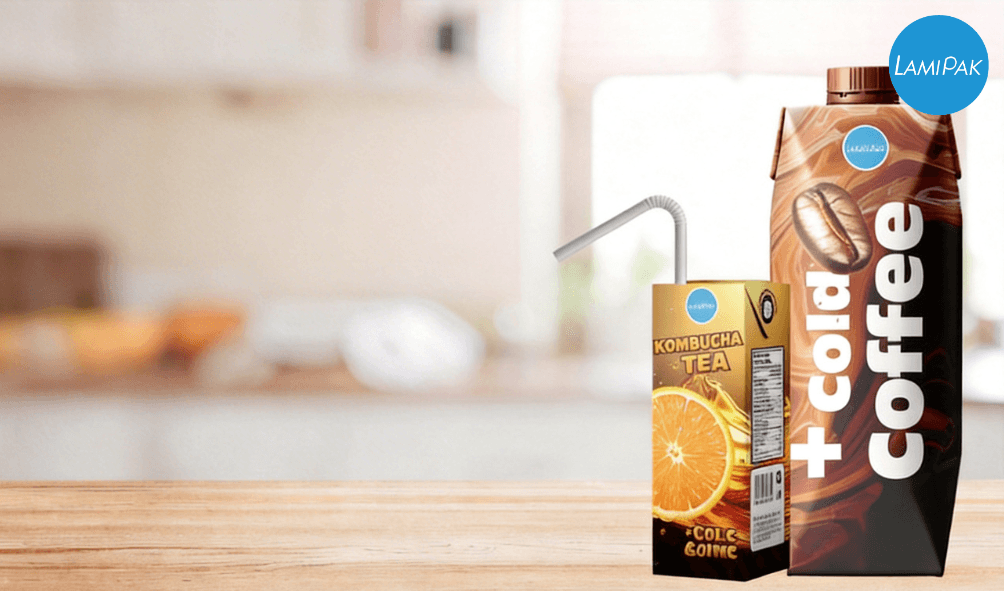
RTD tea has a broad market scope, with herbal teas and functional beverages like kombucha gaining traction due to their perceived health benefits. Kombucha, which is a fermented tea beverage has potential health benefits, as it produces beneficial compounds including probiotics, organic acids, and various metabolites during the fermentation process. It also contains significant antioxidant compounds, particularly when prepared with green tea, that fight free radicals which damage cells.
One of the standout features of RTD tea is its remarkable versatility, offering endless opportunities for customization. With a wide array of flavor combinations, these drinks can be tailored to match consumer’s unique taste preferences and moods. From the refreshing zest of lemon and mint to the unexpected fusion of watermelon and basil, RTD tea allows for both classic and innovative pairings.
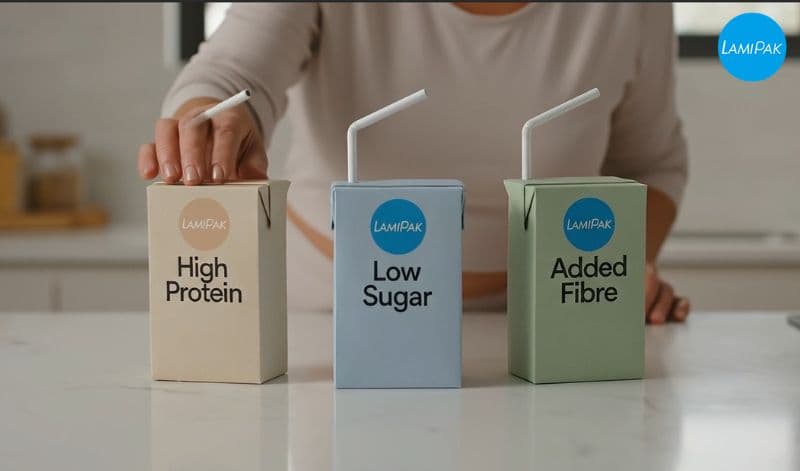
Unlike many processed beverages that are high in added sugars and calories, RTD tea and coffee offer a healthier alternative. By minimizing or eliminating added sugars and incorporating natural sweeteners such as honey or agave syrup, consumers can enjoy a refreshing beverage without excessive sugar and calorie intake. According to a survey conducted by Innova, one in four consumers considers "low/no/reduced sugar" as the most influential factor when purchasing RTD tea or coffee. In response, brands are actively exploring ways to reduce sugar content in these products. Commonly used sugar alternatives include stevia, sucralose, and acesulfame K, while emerging sweeteners such as cyclamate and monk fruit concentrate are gaining traction in the RTD tea and coffee market.
On-the-go and Convenience and Sustainable Packaging
Aseptic cartons have emerged as a preferred packaging choice for RTD tea and coffee, offering strong sustainability credentials. These cartons provide an optimal balance of product protection, convenience, and reduced environmental impact, making them particularly well-suited for the expanding RTD tea and coffee market. As preferences shift toward environmentally responsible choices, the alignment between aseptic cartons and sustainability values is expected to drive further adoption. By embracing such solutions, brands can position themselves as leaders in both innovation and environmental stewardship.
Conclusion
The rapid expansion of the RTD tea and coffee market highlights the evolving preferences of modern consumers who seek both convenience and functionality in their beverage choices. The increasing demand for refreshing, ready-to-drink options is driven by factors such as taste, health-conscious consumption, and the integration of functional ingredients that offer relaxation and wellness benefits. As brands continue to innovate with flavor customization, sugar reduction, and the incorporation of botanical extracts, the RTD tea and coffee segment is poised for sustained growth.
Beyond taste and functionality, sustainability has emerged as a crucial consideration in the RTD tea and coffee market. The growing emphasis on ethical sourcing and environmentally friendly packaging, particularly the use of aseptic cartons, reflects consumers' increasing awareness of their purchasing decisions. As the
industry moves toward more responsible production practices, beverage manufacturers that embrace these sustainability-driven innovations will not only enhance their brand positioning but also contribute to long-term environmental stewardship. With continued investment in product development and sustainable solutions, the RTD tea and coffee market is set to redefine beverage consumption, catering to both evolving consumer needs and global sustainability goals.
Source:
1. Innova Market Insights – Product launches
2. GlobalData – Market size
3. GlobalData - Opportunities and Innovation in RTD Tea and Coffee, 2024
3. Grand view research - Ready To Drink Tea And Coffee Market, 2023