
Why Beverage Cartons are Winning
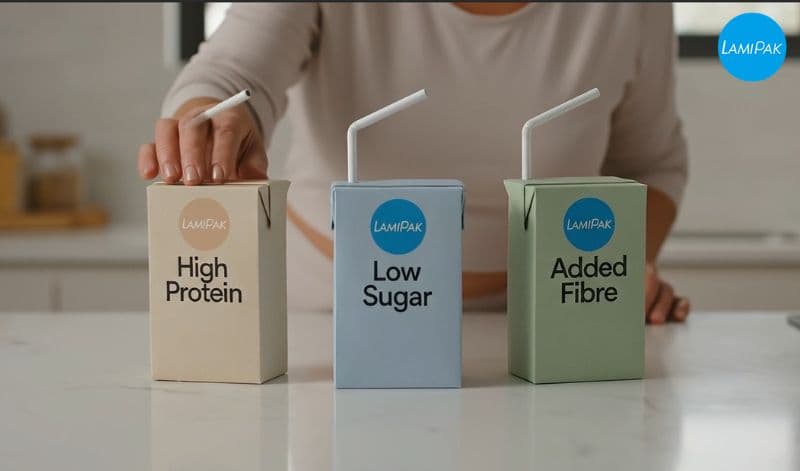
Liquid beverage cartons are rapidly becoming the go-to choice for beverage manufacturers. Innova Market Insights data reveals beverage cartons have consistently accounted for 9% of total new beverage launches globally over the past 5 years.
Why Beverage Cartons are Winning
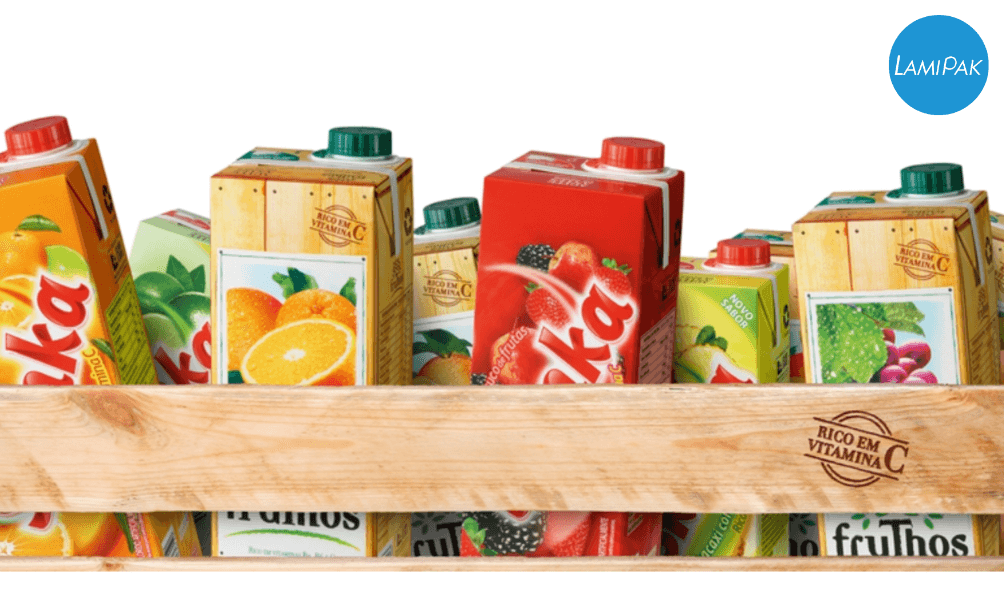
Liquid beverage cartons are rapidly becoming the go-to choice for beverage manufacturers. Innova Market Insights data reveals beverage cartons have consistently accounted for 9% of total new beverage launches globally over the past 5 years. This demand is particularly strong in the dairy and juice industries, with a staggering 73% of new milk products and 30% of new juice products launched globally between 2019 and 2023 opting for beverage carton packaging.
Advancements in packaging technology are expanding the use of beverage cartons beyond traditional categories like dairy and juice. We're now seeing them in soups, sauces, and seasonings- products that are traditionally packaged in glass or plastic. Innova Market Insights data shows that 12% of new soups launched in the last five years were packaged in cartons, with sports drinks and baby food also experiencing a significant rise in carton adoption. We look into the two main factors driving adoption of beverage cartons across multiple categories in the food industry.
Cost-Effectiveness and Efficiency
Beverage cartons boast a significant edge for manufacturers when it comes to cost and efficiency. A meta-analysis by ACE Circular Analytics on packaging mass reveals cartons have a median weight of 31 grams (including caps), significantly lower than PET bottles (36g), single-use glass (466g), and reusable glass bottles (562g). This translates to substantial savings in materials and transportation costs. According to ACE, a truck can be loaded with 25% to 41% more milk in cartons compared to glass bottles.
Sustainability Leader
Roughly 75% of a standard beverage carton is made from cardboard sourced from sustainably managed forests, making it one of the most eco-friendly packaging options available. This advantage is confirmed by a meta-analysis from ACE Circular Analytics, which found beverage cartons outperform other packaging types in terms of carbon footprint. The median carbon footprint for cartons is 83 grams of CO2 equivalent per liter, compared to 100 g CO2eq/L for reusable glass bottles, 156 g CO2eq/L for PET bottles, and a significant 430 g CO2eq/L for single-use glass bottles.

It's no surprise then, that beverage cartons are a top choice for global food companies with net-zero ambitions. In February 2023, Coca-Cola Beverages Africa in Kenya introduced a new aseptic carton package for its Minute Maid juice drink brand, previously offered exclusively in PET bottles. More recently in February 2024, Alcoholic beverage manufacturer Pernod Ricard launched a new ready to drink (RTD) cocktail line in beverage carton, further highlighting the popularity of this packaging option.
A major driver of this adoption is consumer demand for environmentally friendly packaging. A 2024 survey by Global Data found that at least 40% of consumers actively seek out products with sustainable packaging, with Gen Z and Millennials leading the charge at a staggering 50%.
Innovation for an Even Greener Future
While beverage cartons already boast one of the industry's lowest carbon footprints, packaging manufacturers are constantly innovating to reduce their environmental impact further. Innovations aim to increase the renewable content and enhance the recyclability of cartons. With these advancements on the horizon, beverage cartons are poised to solidify their position as the sustainable packaging material of choice for both food manufacturers and environmentally conscious consumers worldwide.
Interested in the latest trends in the food and beverage industry? Our market intelligence team stays ahead of these trends to empower our clients to succeed in this competitive landscape. Talk to us today, and let's help you speak the language of your consumer.