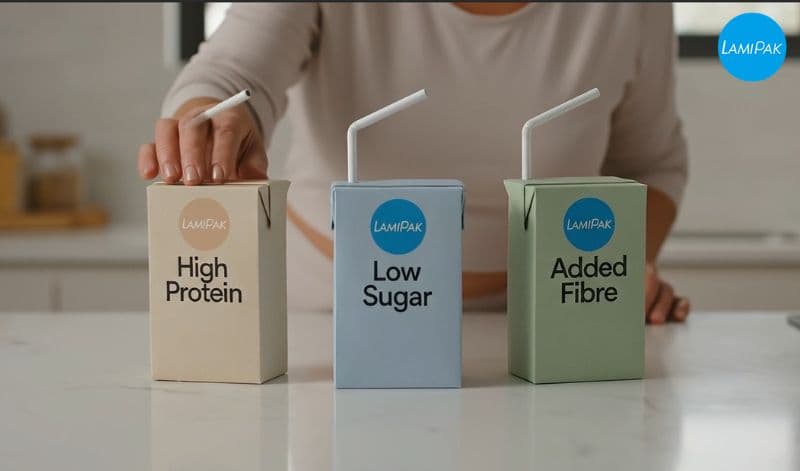

From Z to A, Let's Re-write the Beverage Market with Gen Z
Generation Z is reshaping the global beverage market with their health-conscious and socially responsible preferences. This demographic, known for drinking less alcohol, is significantly influencing market trends. According to a 2022 study by Berenberg Research, 64% of Gen Z drink less alcohol compared to older generations.
From Z to A, let’s re-write the soft drink market with Gen Z:
Generation Z is reshaping the global beverage market with their health-conscious and socially responsible preferences. This demographic, known for drinking less alcohol, is significantly influencing market trends. According to a 2022 study by Berenberg Research, 64% of Gen Z drink less alcohol compared to older generations. This shift is prompting major changes in the beverage industry, with a notable rise in demand for innovative, healthier, and non-alcoholic options.
Market Trends and Flavor Innovation
As alcohol consumption declines among younger consumers, the soft drink market is witnessing a surge in interest for unique and health-oriented flavors. Emerging flavor concepts are becoming increasingly popular, including:
• Botanical Flavors: Ingredients like elderflower, hibiscus, and chamomile are making waves. A 2022 report by Innova Market Insights found that 41% of global consumers are interested in beverages with botanical ingredients.
• Herbal Infusions: Flavors such as ginger, mint, and basil gain traction. The global market for herbal and botanical beverages was valued at approximately $1.2 billion in 2018 and is projected to grow at a CAGR of 6.1% from 2019 to 2026 (Grand View Research).
• Exotic Fruits: Flavors like yuzu, dragon fruit, and lychee are becoming popular. The global flavored water market, which includes these exotic flavors, was valued at $29.78 billion in 2019 and is expected to reach $36.70 billion by 2025, growing at a CAGR of 3.6% (Euromonitor).
• Functional Ingredients: Drinks with added probiotics, vitamins, and adaptogens are on the rise. The global functional beverage market is projected to grow at a CAGR of 6.7% from 2022 to 2030, reaching $200 billion by 2030 (Grand View Research). The beverage market is evolving rapidly as Generation Z’s preferences drive demand for healthier, functional, and innovative products. The global non-alcoholic beverage market, including functional drinks and alcohol-free options, is set for significant growth. For instance, the global kombucha market alone is expected to reach $7.05 billion by 2027, growing at a CAGR of 19.7% (Grand View Research).
Product Package design:
Designing soft drinks that appeal to Generation Z involves understanding their unique preferences and values. Generation Z, born roughly between 1997 and 2012, is characterized by their diverse tastes, focus on health and sustainability, and desire for authenticity and engagement. Here are top 3 designs trends in soft drink industry: Health-Conscious and Wellness-Focused Design
Design Elements:
• Minimalist and Clean Aesthetics: Use clean, simple packaging with clear labeling that highlights health benefits and natural ingredients. Avoid clutter and focus on transparency.
• Informative Labels: Include clear information about nutritional content, functional ingredients (like vitamins, probiotics, or adaptogens), and health benefits. QR codes linking to more detailed information or sustainability practices can also engage health-conscious consumers.
Adventurous and Trend-Savvy Design
Design Elements:
• Bold and Eye-Catching Graphics: Use vibrant colors, dynamic patterns, and unique illustrations that reflect the adventurous and playful nature of Generation Z. Incorporate elements that hint at exotic flavors or novel experiences.
• Interactive Packaging: Incorporate features like scratch-and-sniff panels or augmented reality (AR) experiences that allow consumers to interact with the packaging and learn more about the flavors.
Socially Responsible and Eco-Friendly Design
Design Elements:
• Sustainable Packaging: Use materials that are recyclable, biodegradable, or made from recycled content. Clearly communicate the sustainability efforts on the packaging.
• Transparency in Messaging: Include messaging that highlights ethical sourcing, environmental impact, and social responsibility. Use icons or labels to showcase certifications or initiatives.
Conclusion:
The future of beverage flavors will be characterized by a blend of health-driven ingredients, exotic and global influences, botanical and herbal infusions, sustainability, and interactive experiences. As consumer preferences continue to evolve, beverage companies will need to stay innovative and responsive to these trends, creating products that cater to the diverse tastes and values of modern consumers. The focus will increasingly be on offering beverages that not only satisfy thirst but also contribute to overall wellness and provide unique, engaging experiences. For Generation Z, the most appealing soft drink packaging often incorporates elements of both minimalism and sophistication. A minimalist design can effectively communicate health benefits and authenticity, while sophisticated touchescan enhance the product’s premium appeal and visual interest. Striking a balance between these elements can create a packaging design that resonates well with Gen Z’s diverse preferences, driving both consumer engagement and brand loyalty.